 delishing
How to Cook Pork Tenderloin in the Oven: A Culinary Guide

Pork tenderloin, when cooked correctly, transforms into a succulent and flavorful centerpiece. Its mild flavor makes it a blank canvas, readily absorbing seasonings and marinades. Roasting in the oven ensures a beautifully browned exterior while maintaining a juicy and tender interior, making it a reliable method for consistently delicious results.
The oven's consistent heat allows for even cooking, unlike pan-frying which can sometimes result in uneven doneness. This guide will provide you with the knowledge to confidently cook pork tenderloin, from selecting the right cut to achieving the perfect internal temperature, guaranteeing a memorable and satisfying meal.
Understanding Pork Tenderloin
Pork tenderloin is a long, narrow, boneless cut of pork that comes from the muscle along the backbone. It's incredibly lean and known for its tenderness. Unlike the pork loin (a wider, thicker cut), tenderloin is best cooked quickly at a higher temperature to avoid drying out.
When buying pork tenderloin, look for a piece that is pinkish-red in color and firm to the touch. Avoid tenderloins that are pale or have a greyish tinge, as this may indicate that they are past their prime. Most tenderloins come pre-trimmed, but you may need to remove any remaining silver skin (a thin membrane) before cooking. Two common brands found at grocery stores are Smithfield and Swift. They are interchangeable for this recipe.
Why Cook Pork Tenderloin This Way?
- Versatility: Pork tenderloin readily adapts to a wide range of flavors. It can be seasoned with simple salt and pepper or marinated in complex sauces.
- Flavor: Roasting enhances the natural flavors of the pork, creating a subtly sweet and savory taste that is incredibly appealing.
- Convenience: Oven roasting requires minimal hands-on time, making it a great option for busy weeknights or when you need to prepare other dishes simultaneously.
Preparation (Mise en Place)
- Thawing: If frozen, thaw the pork tenderloin in the refrigerator for 24-48 hours. Never thaw at room temperature for food safety reasons.
- Patting Dry: Remove the tenderloin from its packaging and pat it dry with paper towels. This step is crucial for achieving a good sear and allowing the seasonings to adhere properly.
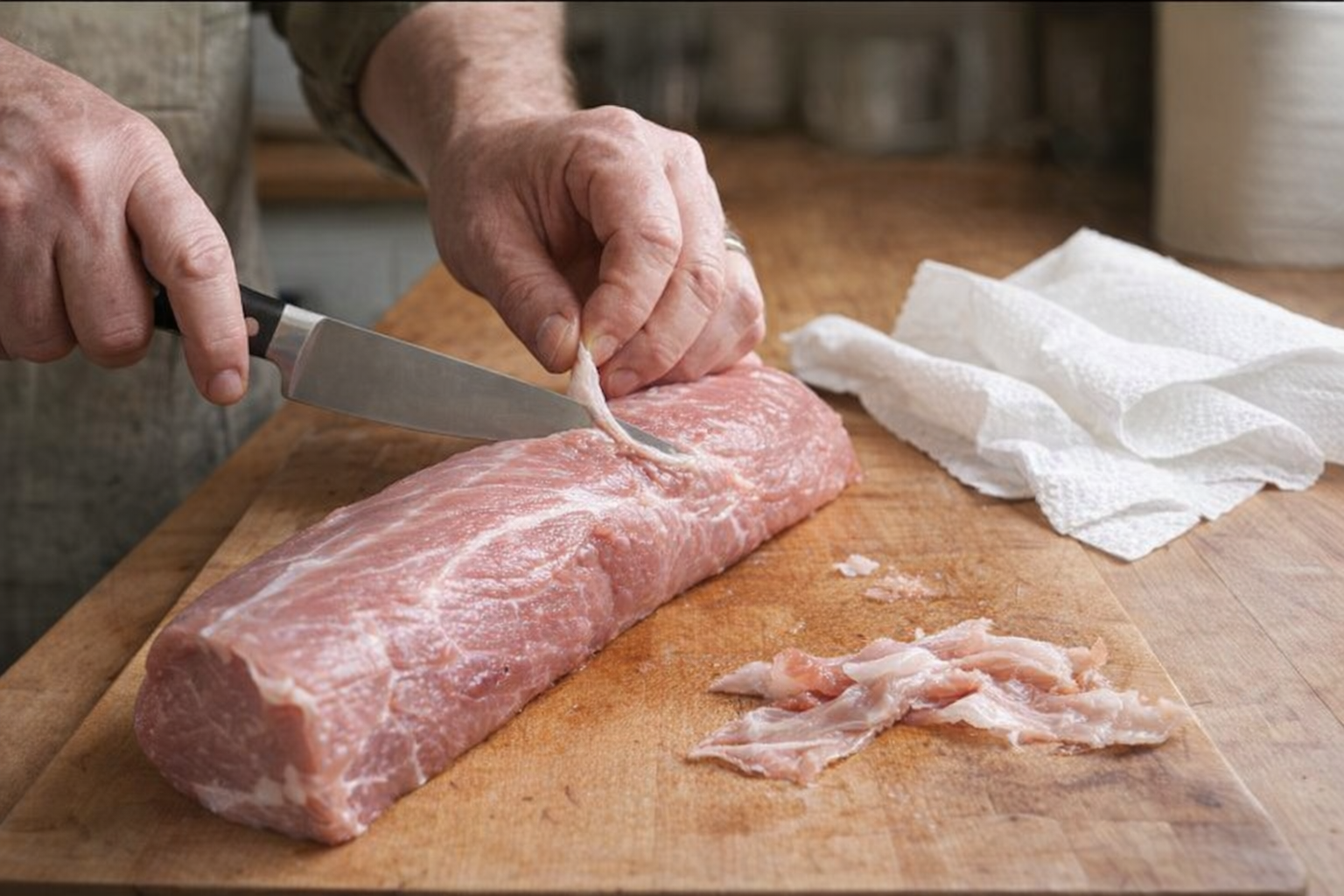
- Trimming: Inspect the tenderloin for any silver skin. This tough membrane will shrink during cooking, causing the meat to curl and cook unevenly. Use a sharp knife to carefully slide under the silver skin and remove it.
- Optional Brining: For an extra boost of moisture and flavor, consider brining the tenderloin for 1-4 hours in a simple saltwater solution (1/4 cup salt per 4 cups of water).
Essential Tools
- Oven: A standard oven is essential for even roasting.
- Baking Sheet with Rack: A baking sheet with a rack allows for air circulation around the tenderloin, promoting even cooking and a crispy exterior. The rack elevates the meat, preventing it from steaming in its own juices. If you don't have a rack, a baking sheet alone will work.
- Meat Thermometer: A digital meat thermometer is non-negotiable for accurately gauging the internal temperature of the pork.
- Sharp Knife: A sharp chef's knife is ideal for trimming the silver skin and slicing the cooked tenderloin.
The Cooking Method(s)
Method 1: Simple Roasted Pork Tenderloin
This method is straightforward and highlights the natural flavors of the pork with minimal ingredients.
Ingredients:
- 1.25 lbs (567g) pork tenderloin
- 2 tablespoons (30ml) olive oil
- 1 teaspoon (5g) kosher salt
- ½ teaspoon (2.5g) black pepper
- ½ teaspoon (2.5g) garlic powder (optional)
- Preheat your oven to 400°F (200°C). Ensure the rack is in the center of the oven.
- Prepare the pork tenderloin as described above (thawing, patting dry, trimming).
- In a small bowl, mix together the olive oil, salt, pepper, and garlic powder (if using).
- Rub the mixture evenly over the entire surface of the pork tenderloin.
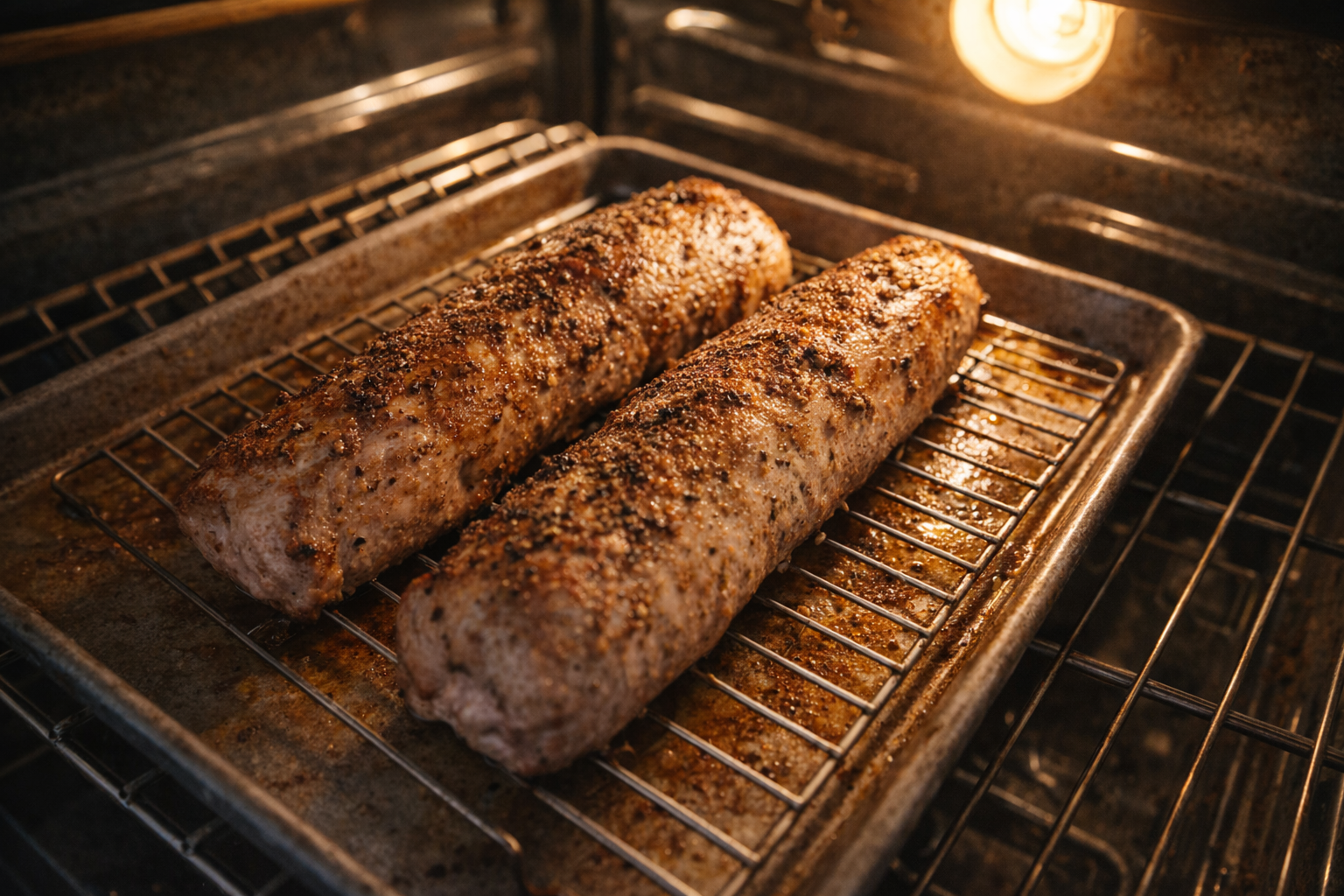
- Place the seasoned tenderloin on the prepared baking sheet with a rack.
- Roast in the preheated oven for 20-25 minutes, or until a meat thermometer inserted into the thickest part registers 145°F (63°C). You may hear a slight sizzle as the pork fat renders.
- Remove from the oven and transfer the tenderloin to a cutting board. Tent loosely with foil and let rest for 5-10 minutes. This allows the juices to redistribute, resulting in a more tender and flavorful cut.
- Slice the tenderloin into ½-inch thick medallions and serve immediately.
Cooking Time & Doneness Guide
- Cooking Time: 20-25 minutes at 400°F (200°C) for a 1.25 lbs (567g) tenderloin. Adjust time based on size.
- Internal Temperature: 145°F (63°C) for medium-rare (slightly pink center). 150°F-155°F (66°C-68°C) for medium (barely any pink).
Visual Cues
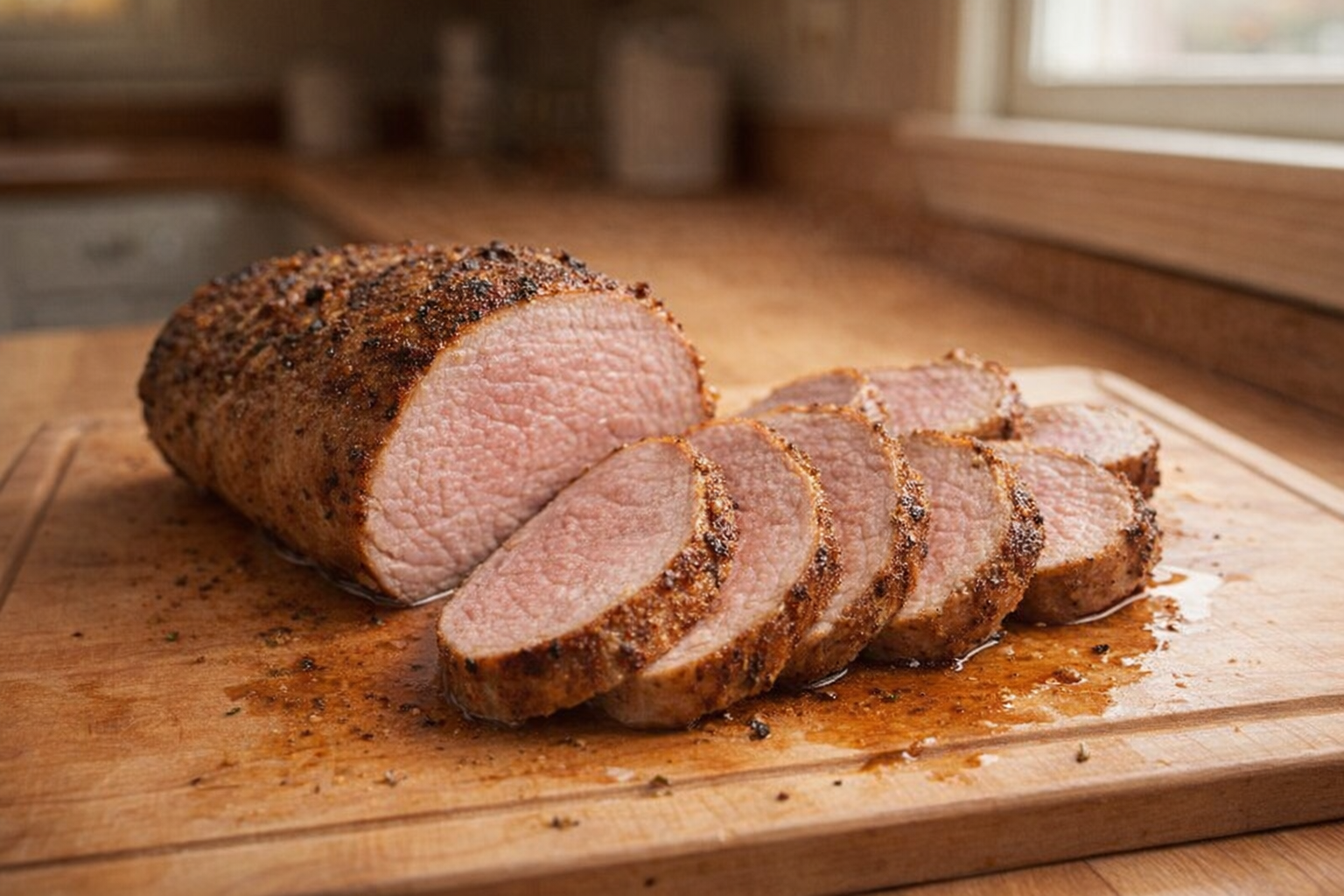
The exterior should be a rich golden brown. When you press lightly on the center of the tenderloin, it should feel slightly firm but still have some give. If it feels very firm, it's likely overcooked.
Tips for Perfection
- Don't overcook: Pork tenderloin is best served medium-rare to medium. Overcooking will result in a dry and tough cut of meat.
- Let it rest: This step is crucial for ensuring a juicy and tender result. Don't skip it!
- Use a meat thermometer: This is the only way to accurately determine the doneness of the pork.
- Even seasoning: Make sure the seasonings are evenly distributed over the entire surface of the tenderloin for consistent flavor.
Storage & Reheating
- Storage: Store leftover pork tenderloin in an airtight container in the refrigerator for up to 3-4 days.
- Reheating: To reheat, preheat your oven to 325°F (163°C). Place the sliced pork tenderloin in an oven-safe dish with a tablespoon or two of broth or water to prevent drying. Cover with foil and heat for 10-15 minutes, or until warmed through. Microwaving is not recommended, as it can make the pork tough.
Serving Suggestions
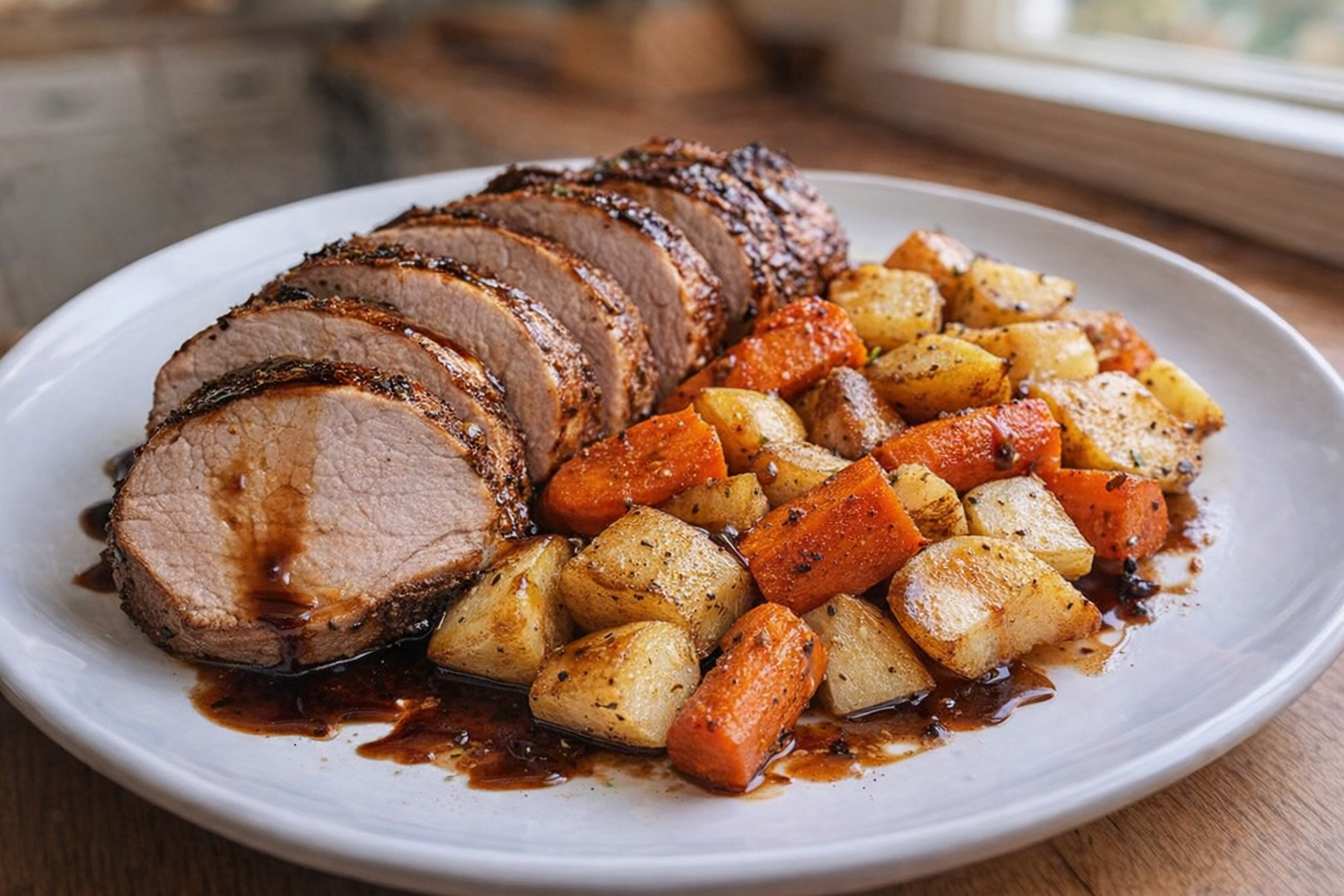
- Pork Tenderloin with Roasted Vegetables: Serve alongside roasted root vegetables like carrots, potatoes, and parsnips for a complete and balanced meal.
- Pork Tenderloin Sandwich: Slice the pork thinly and serve it on a crusty roll with your favorite toppings, such as lettuce, tomato, and a Dijon mustard aioli.
- Pork Tenderloin Salad: Add sliced pork tenderloin to a mixed green salad with a vinaigrette dressing for a light and refreshing meal.
- Pork Tenderloin with Fruit Salsa: Top the sliced pork with a fresh fruit salsa made with mango, pineapple, and red onion for a sweet and savory combination.
💡 Pro Tips
- Use a meat thermometer to pull the pork out of the oven once it reaches an internal temperature of 145°F to ensure it remains juicy. This prevents the meat from becoming overcooked and dry while maintaining food safety standards.
- Sear the pork tenderloin in a hot oven-safe skillet before roasting to create a flavorful, caramelized crust. This technique locks in moisture and adds a professional-grade texture to the exterior.
- Allow the meat to rest on a cutting board for at least 10 minutes after cooking before slicing. Resting allows the juices to redistribute throughout the meat, preventing them from leaking out and leaving the pork tough.
- Remove the silver skin, which is the tough white connective tissue on the surface, using a sharp knife before seasoning. This prevents the meat from curling during cooking and ensures every bite is tender.
- Pat the surface of the meat completely dry with paper towels before applying seasonings to help achieve a better brown crust. This step ensures that the pork roasts properly rather than steaming in the oven's heat.
Frequently Asked Questions
Silver skin is a thin, tough membrane found on the pork tenderloin. It's important to remove it because it shrinks during cooking, causing the meat to curl and cook unevenly. Removing it ensures even cooking and a more tender final product.
It's best to thaw pork tenderloin in the refrigerator for 24-48 hours for food safety and even cooking. While it's not recommended, you can try cooking it from frozen, but it will require a significantly longer cooking time and may not cook as evenly. Ensure the internal temperature reaches a safe 145°F.
The best way to determine doneness is by using a meat thermometer. Insert it into the thickest part of the tenderloin and aim for an internal temperature of 145°F (63°C). Once it reaches that temperature, remove from the oven and let it rest for a few minutes before slicing.
Yes, marinating pork tenderloin overnight (or even for several hours) can enhance its flavor and tenderness. Just be sure to use a non-reactive container (glass or plastic) and store it in the refrigerator. Avoid marinades with high acidity for extended periods, as they can make the meat mushy.